



Meta Title:
Dropshipping in 2025: The Future of eCommerce Explained
Meta Description:
Explore the world of dropshipping in 2025. Learn how this business model works, its benefits, challenges, role in global trade, and future outlook, along with key FAQs for clarity.
Dropshipping: A Modern Business Model in the Digital Age
Dropshipping has emerged as one of the most significant developments in the eCommerce industry. It represents a business model where the retailer does not keep products in stock but instead transfers customer orders to a supplier, who then ships directly to the buyer. This model has transformed how businesses operate by reducing barriers to entry and making entrepreneurship accessible to individuals around the world.
The essence of dropshipping lies in its simplicity. Retailers serve as the face of the business, focusing on building an online presence and attracting customers. Suppliers, on the other hand, handle inventory management, packaging, and delivery. This separation of responsibilities has allowed small businesses to function on a global scale without the heavy investment traditionally required for storage, logistics, or staffing.
The Evolution of Dropshipping
Although dropshipping gained immense popularity in the 2010s with platforms like Shopify and AliExpress, its origins date back decades earlier. Mail-order catalogs and third-party fulfillment services practiced similar methods, long before the internet transformed commerce. The digital revolution simply accelerated the model, removing geographical barriers and allowing retailers to access suppliers from any part of the world.
Advancements in technology further propelled dropshipping into the mainstream. Automated systems connected online storefronts directly with supplier networks, ensuring seamless order processing. Today, even a small retailer can operate with the efficiency of a large company, reaching customers globally through digital platforms.
The Appeal of Dropshipping
Dropshipping stands out because of its accessibility. The absence of upfront inventory purchases reduces financial risk, enabling individuals to enter the market with minimal capital. It attracts a diverse demographic of entrepreneurs, from students exploring side incomes to seasoned business owners looking to expand their offerings.
The ability to operate entirely online also appeals to those who value flexibility. Many dropshipping businesses function without physical offices, warehouses, or even employees. This lean model aligns with the modern trend of digital nomadism, where individuals can run businesses remotely while traveling or living abroad.
Beyond accessibility and flexibility, dropshipping reflects the changing nature of consumer behavior. Customers increasingly shop online, seeking convenience and variety. Retailers use dropshipping to meet this demand by offering a wide range of products without being limited by storage capacity.
The Challenges of Dropshipping
Despite its advantages, dropshipping is not without drawbacks. One of the most widely discussed challenges is profit margins. Because many sellers access the same suppliers and sell identical products, competition often leads to price reductions. This competitive environment can make it difficult to sustain high earnings without differentiation.
Another challenge lies in supplier dependency. Since retailers do not control inventory or fulfillment, they rely on suppliers for timely deliveries and product quality. Any mistakes in these areas directly impact the retailer’s reputation, even if the issues are beyond their control. This dependency highlights the fragile balance between trust and risk in dropshipping relationships.
Shipping delays, especially when dealing with international suppliers, remain another area of concern. While logistics networks have improved, long delivery times compared to traditional retail still affect customer satisfaction. Additionally, dropshipping businesses may struggle with branding because many products are generic and lack customization options.
Dropshipping and the Global Market
Dropshipping plays an increasingly important role in global commerce. It connects small retailers with international manufacturers and suppliers, creating a system where products can move seamlessly across borders. A retailer in one country can sell items sourced from another continent to customers located anywhere in the world.
This international nature reflects the interconnected economy of the 21st century. Dropshipping thrives on global trade routes, supplier networks, and logistics infrastructure. It demonstrates how small businesses can harness globalization to operate on scales once reserved for corporations.
In emerging markets, dropshipping offers unique opportunities. Entrepreneurs in developing countries can tap into international supply chains, bringing products to local audiences without the costs associated with traditional retail. In established markets, dropshipping provides access to niche products, satisfying demands that mainstream retailers may overlook.
Technology and Dropshipping
Technology forms the backbone of modern dropshipping. Online platforms enable entrepreneurs to create digital storefronts with ease, while integrations allow these stores to communicate with suppliers in real time. Order fulfillment, inventory tracking, and shipping updates are increasingly automated, reducing human error and increasing efficiency.
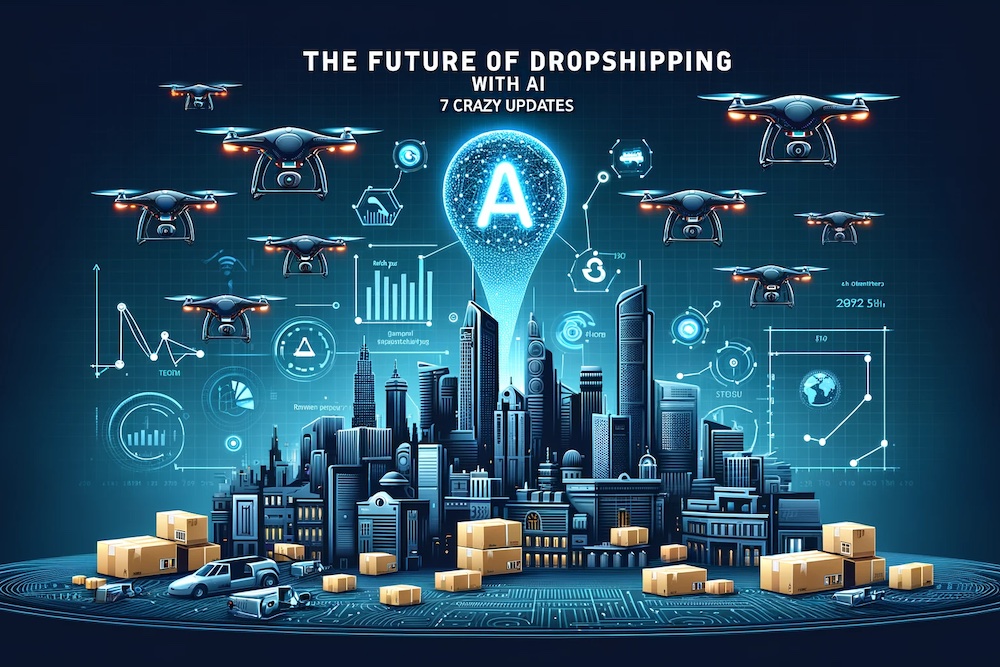
Artificial intelligence and data analytics also play growing roles. Retailers analyze consumer behavior, track popular products, and predict demand through algorithms. Social media platforms contribute by shaping consumer preferences and providing powerful channels for product promotion.
The fusion of eCommerce and technology ensures that dropshipping continues to evolve. With advancements in logistics, faster delivery systems, and smarter data-driven marketing, the model is becoming more sophisticated and customer-centric.
Dropshipping’s Place in the Future of Commerce
Dropshipping’s future remains intertwined with the growth of digital trade. While it faces criticism for low margins and reliability issues, it continues to attract new entrepreneurs due to its accessibility. Many who begin with dropshipping transition to hybrid models, combining the benefits of third-party fulfillment with their own inventory management. This shift reflects a desire for greater control over branding, product quality, and customer experience.
The model also mirrors consumer expectations for variety, convenience, and affordability. As online shopping becomes more ingrained in daily life, dropshipping stands as a practical solution for businesses seeking to keep pace with changing demands.
Ultimately, dropshipping is more than just a business method; it represents the democratization of commerce. It enables individuals across the globe to participate in retail at a scale that was once unimaginable, reshaping how products are sold and delivered in the digital age.
Frequently Asked Questions (FAQs)
- What is the main concept of dropshipping?
Dropshipping is a business model where retailers sell products without holding inventory, relying on suppliers to fulfill customer orders. - Why is dropshipping often criticized?
It is often criticized for thin profit margins, shipping delays, and lack of direct control over product quality. - How has technology influenced dropshipping?
Technology has automated processes such as inventory updates, order fulfillment, and marketing, making dropshipping faster and more efficient. - Is dropshipping limited to certain markets?
No, dropshipping operates globally, allowing retailers in one country to source products from another and sell internationally. - What does the future of dropshipping look like?
The future points toward hybrid models, improved logistics, and stronger branding efforts, ensuring that dropshipping adapts to consumer expectations.