


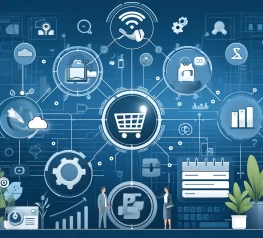

Introduction to Dropshipping
In the fast-growing world of ecommerce, dropshipping has emerged as one of the most popular and accessible business models for aspiring entrepreneurs. Unlike traditional retail, where sellers must invest heavily in inventory and warehousing, dropshipping allows you to run an online store without ever holding stock. When a customer places an order, the retailer forwards it to a supplier, who then ships the product directly to the customer. This simple yet powerful model reduces financial risk, lowers startup costs, and gives entrepreneurs the freedom to focus on marketing, branding, and customer relationships rather than logistics.
The process of dropshipping is straightforward, but understanding it fully is important before starting. An entrepreneur sets up an online store using platforms such as Shopify, WooCommerce, or Wix. They then partner with suppliers who list products available for dropshipping. Once the store is live, customers browse and place orders, paying the retailer the retail price. The retailer forwards the order to the supplier and pays the wholesale cost. The supplier packages and ships the product directly to the customer, while the retailer keeps the profit margin. This seamless flow of orders makes dropshipping an attractive business model for anyone looking to start quickly with minimal resources.
Benefits of Dropshipping
One of the most appealing aspects of dropshipping is its low barrier to entry. Traditional businesses require significant upfront investments, but dropshipping only requires a small amount to set up a website and run initial advertisements. It eliminates the risks of unsold inventory since you purchase products only after securing a sale. Dropshipping is also highly flexible, allowing you to run your business from anywhere with an internet connection. You can expand your store’s product catalog easily without needing additional warehouse space, making it one of the most scalable ecommerce models available.
Challenges of Dropshipping
While dropshipping offers many advantages, it is not without challenges. One of the biggest obstacles is competition, as many entrepreneurs sell similar products from the same suppliers. This makes it difficult to stand out unless you build a strong brand. Another challenge is low profit margins, which typically range between ten and thirty percent. Since you buy products individually rather than in bulk, costs are often higher compared to traditional wholesale purchases. Shipping delays can also cause customer dissatisfaction, especially when working with suppliers located overseas. Managing customer service in these situations requires transparency, responsiveness, and patience.
Choosing the Right Niche
Success in dropshipping often depends on selecting the right niche. A niche is the category or market segment you focus on, and choosing wisely can make your store more appealing to a targeted audience. Profitable niches in recent years include health and fitness, beauty and skincare, pet supplies, eco-friendly products, and home improvement gadgets. The best niche combines strong demand with your own interest or passion, which keeps you motivated to continue growing your business. Research tools such as Google Trends, keyword planners, and product discovery platforms can help identify opportunities where demand is rising but competition is manageable.
Finding Reliable Suppliers
The quality of your suppliers can determine the long-term success of your dropshipping business. Since you are not directly managing inventory or shipping, you rely on suppliers to provide quality products and timely delivery. Popular platforms like AliExpress, Spocket, DSers, and SaleHoo connect entrepreneurs with global suppliers. Before committing, it is wise to order sample products to evaluate quality and shipping speed. Establishing good communication with your suppliers builds stronger relationships and ensures smoother order fulfillment. A trustworthy supplier not only improves customer satisfaction but also protects your brand reputation.
Building and Branding Your Store
Once you have chosen your niche and suppliers, the next step is building your online store. Platforms like Shopify and WooCommerce make it easy to design professional websites, but the real differentiator is branding. Many new dropshippers fail because they copy product descriptions and images directly from suppliers, leading to generic stores. To succeed, you need to create original product descriptions, use high-quality images, and design a website that reflects your brand’s identity. Strong branding builds trust and makes your store memorable, which is especially important in a crowded market. Some entrepreneurs take branding further by offering private labeling and custom packaging, giving customers the sense that they are buying from an established company rather than a generic reseller.
Marketing Strategies for Dropshipping
Attracting customers is at the heart of dropshipping success. Paid advertising on platforms such as Facebook, Instagram, and TikTok is one of the fastest ways to drive traffic to your store. These platforms allow you to target specific demographics and interests, ensuring your ads reach the right audience. Search engine optimization is equally important for long-term growth, as it helps your store appear in Google search results and brings in free organic traffic. Content marketing, such as writing blogs and creating videos, can establish authority in your niche. Influencer marketing is another effective strategy, as collaborations with social media influencers give your products visibility among engaged audiences. Email marketing and retargeting campaigns can also boost conversions by bringing potential customers back to your store.
Customer Service and Experience
Customer service is often overlooked in dropshipping but plays a major role in building loyalty. Since shipping delays or product issues are inevitable, how you handle customer interactions can set you apart. Responding quickly to questions, providing clear updates on order status, and offering fair return policies build trust. Customers value transparency, and even if an issue arises, good communication often prevents negative reviews. Remember that your brand’s reputation depends less on the supplier and more on how you handle the overall customer experience. Providing exceptional service turns one-time buyers into repeat customers, which is essential for long-term profitability.
Scaling a Dropshipping Business
Once your store is generating consistent sales, scaling becomes the next priority. Scaling involves testing new products, expanding into related niches, and increasing your marketing budget. Automation tools such as Oberlo, DSers, and AutoDS simplify processes like order management and inventory updates, freeing up your time to focus on growth strategies. Analyzing data from your advertising campaigns and website performance allows you to identify what is working and what needs improvement. Expanding internationally can also open new markets, especially if you work with suppliers who offer fast global shipping. Scaling requires careful planning, but it is the stage where dropshipping transitions from a side hustle to a sustainable business.
The Future of Dropshipping
As ecommerce continues to evolve, dropshipping is also undergoing changes. Customers increasingly expect faster delivery times, which is pushing many dropshippers to work with local suppliers or fulfillment centers that reduce shipping delays. At the same time, consumer preferences are shifting toward eco-friendly, sustainable, and personalized products, creating new opportunities for niche-focused stores. Advances in technology, particularly automation and artificial intelligence, are making it easier for entrepreneurs to research products, optimize ads, and manage operations. While competition remains strong, dropshippers who focus on branding, customer service, and innovation will continue to thrive in the years ahead.
Conclusion –is not a shortcut to instant wealth, but it is one of the most accessible ways to start an online business with limited risk. By understanding how the model works, choosing the right niche, building strong supplier relationships, investing in branding, and executing effective marketing strategies, entrepreneurs can turn a simple online store into a profitable venture. The path to success requires dedication, patience, and continuous improvement, but the rewards can be substantial. For those willing to put in the effort, dropshipping offers both the flexibility of working from anywhere and the opportunity to achieve financial independence in the booming world of ecommerce.
Frequently Asked Questions (FAQs) –
Q1. What is dropshipping and how does it work?
Dropshipping is a business model where store owners sell products without holding inventory. When a customer orders, the retailer buys the product from a supplier, who ships it directly to the customer.
Q2. Is dropshipping profitable in 2025?
Yes, dropshipping remains profitable when combined with the right niche, reliable suppliers, strong branding, and effective marketing strategies.
Q3. How much money do I need to start dropshipping?
You can start with $200–$500 to cover website hosting, product testing, and initial advertising costs.
Q4. Which platforms are best for dropshipping?
Shopify, WooCommerce, and Wix are the most popular dropshipping platforms due to their ease of use, scalability, and integrations with suppliers.
Q5. How can I make my dropshipping business stand out?
Focus on building a strong brand with unique product descriptions, professional visuals, and excellent customer service. Differentiation is the key to long-term success.
Q6. Do I need a business license for dropshipping?
In most countries, you will need to register your business and comply with tax regulations. A license helps build credibility and ensures legal operations.
Q7. What are the most profitable niches for dropshipping in 2025?
Trending niches include health and fitness, pet supplies, eco-friendly products, home gadgets, baby care items, and beauty accessories.
Q8. How do I find trustworthy dropshipping suppliers?
You can use directories like SaleHoo, platforms like AliExpress and Spocket, or test suppliers by ordering samples before listing their products in your store.
Q9. What is the future of dropshipping?
Dropshipping is evolving toward faster shipping, local suppliers, eco-friendly products, and stronger branding. Automation and AI will also make managing stores more efficient.